Welcome to Body Armor Buyers Guide. This is the place to learn about body armor: what the ratings mean, how soft vests and hard plates differ, and how to wear and train in armor the right way.
Body Armor Buyers Guide is part of the Gun Websites Firearms Network, built by shooters for shooters. Here you get plain-English guides, gear reviews and video from the range so you can buy with confidence.
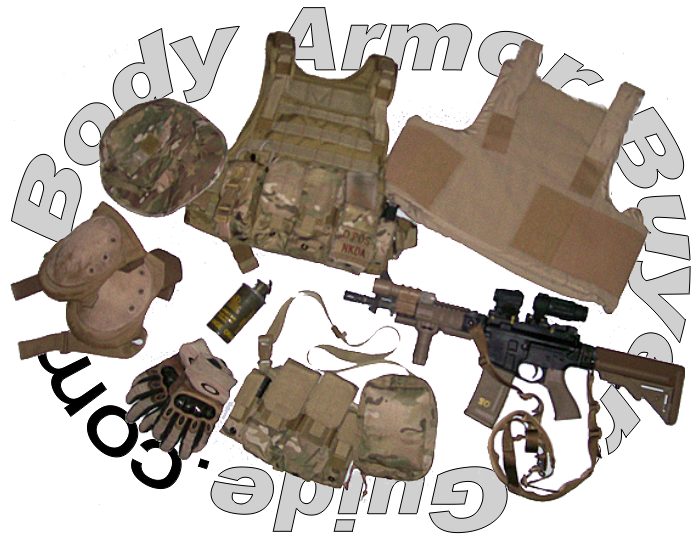
Buying body armor? Start here
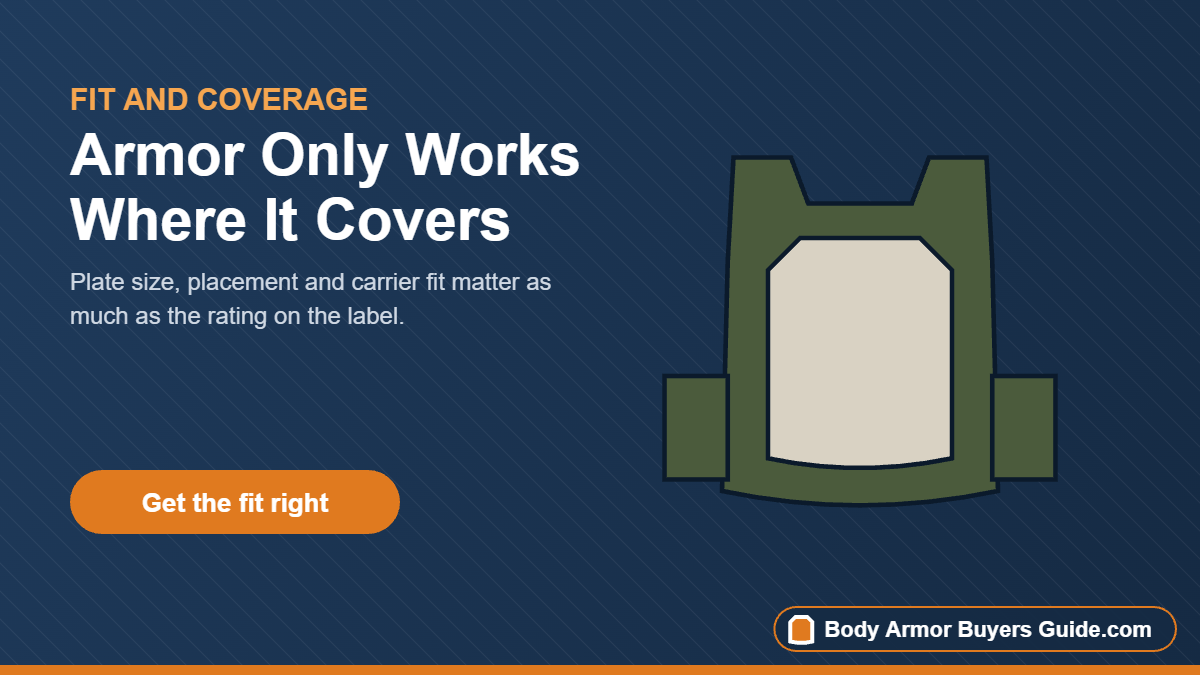
Decide what you need protection from, pick the right level, and get a fit that actually covers your vitals. Our step-by-step guide walks you through it.
What you’ll find here
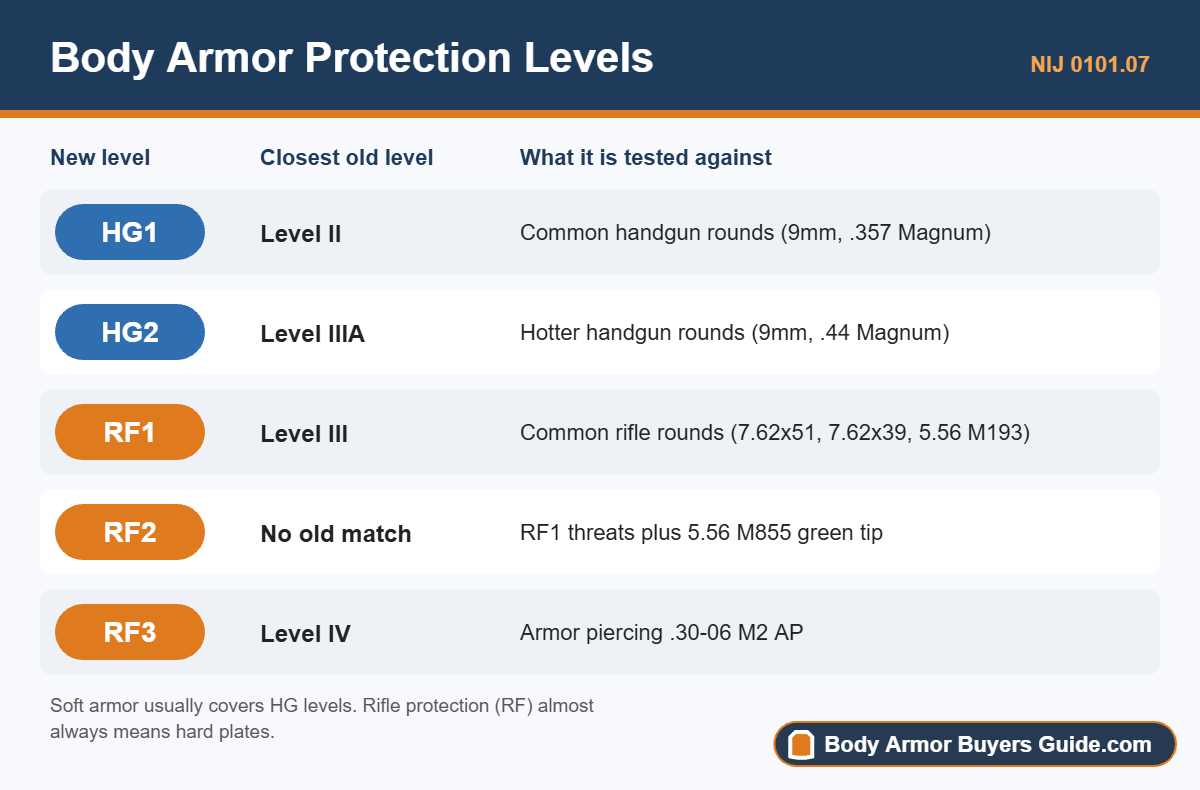
Step 1: Armor Levels
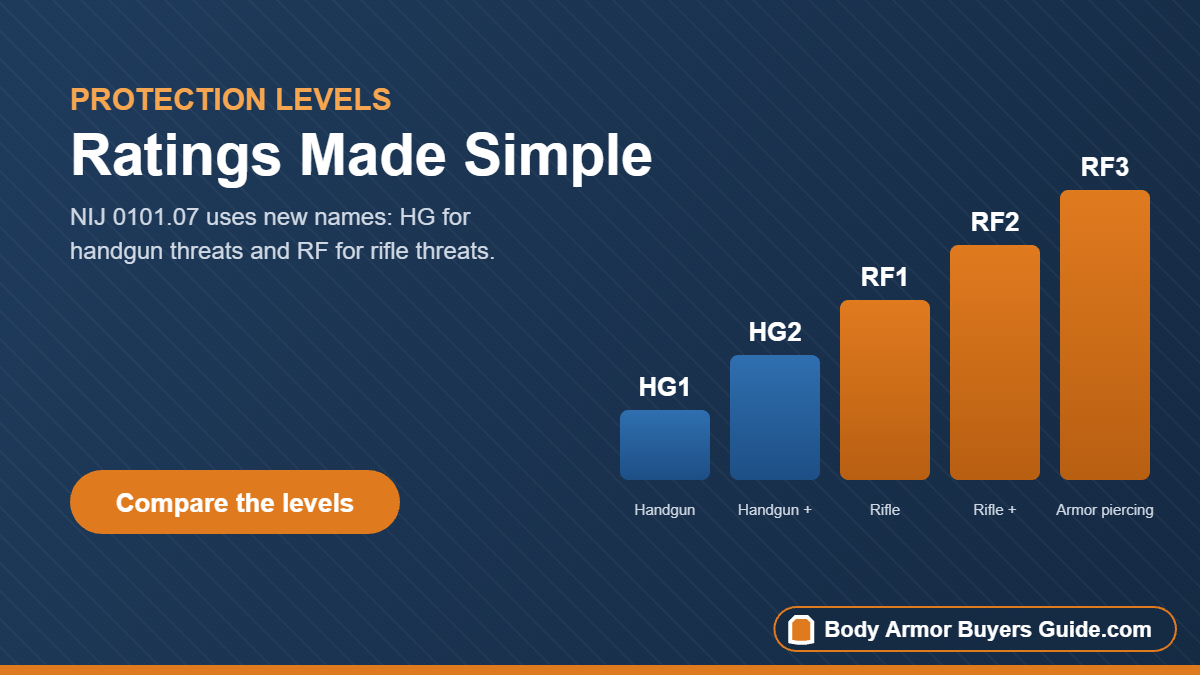
HG1 to RF3, plus the old Level IIIA and Level IV names. Know what each one is built to stop.
Step 2: Types of Armor
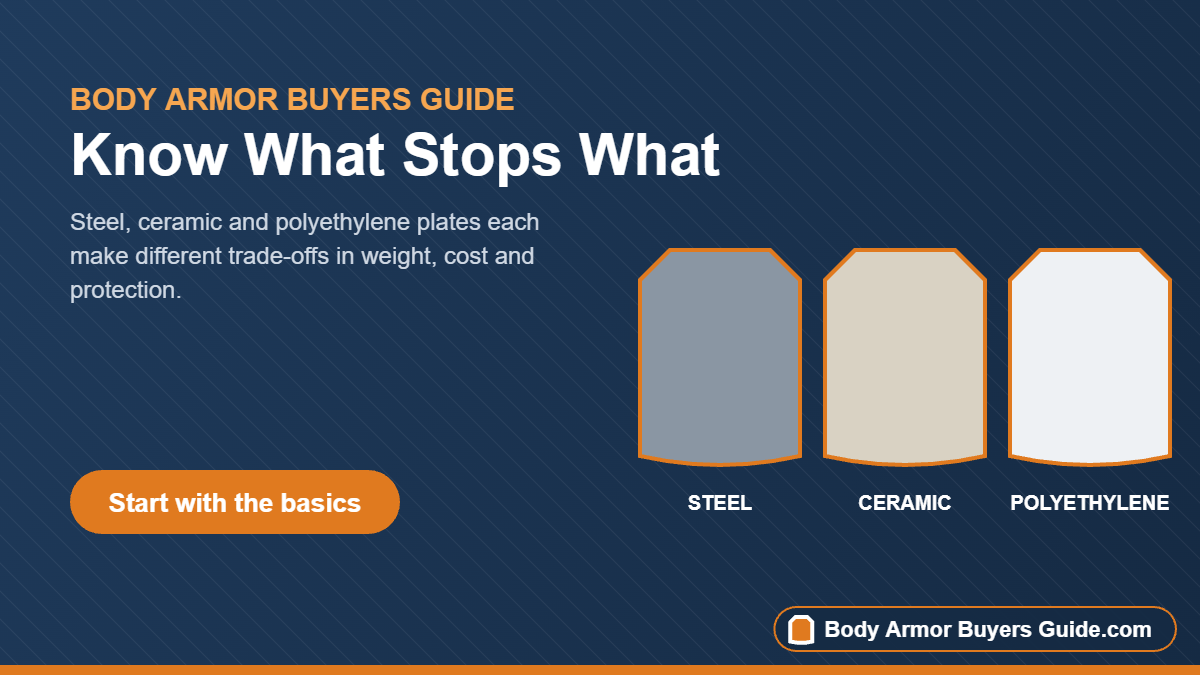
Soft vests, hard plates, plate carriers and chest rigs. Pick the setup that fits how you will use it.
Step 3: Shooting Armor
Video from the range showing what armor does when it takes hits, and how to train while wearing it.
Train in what you wear
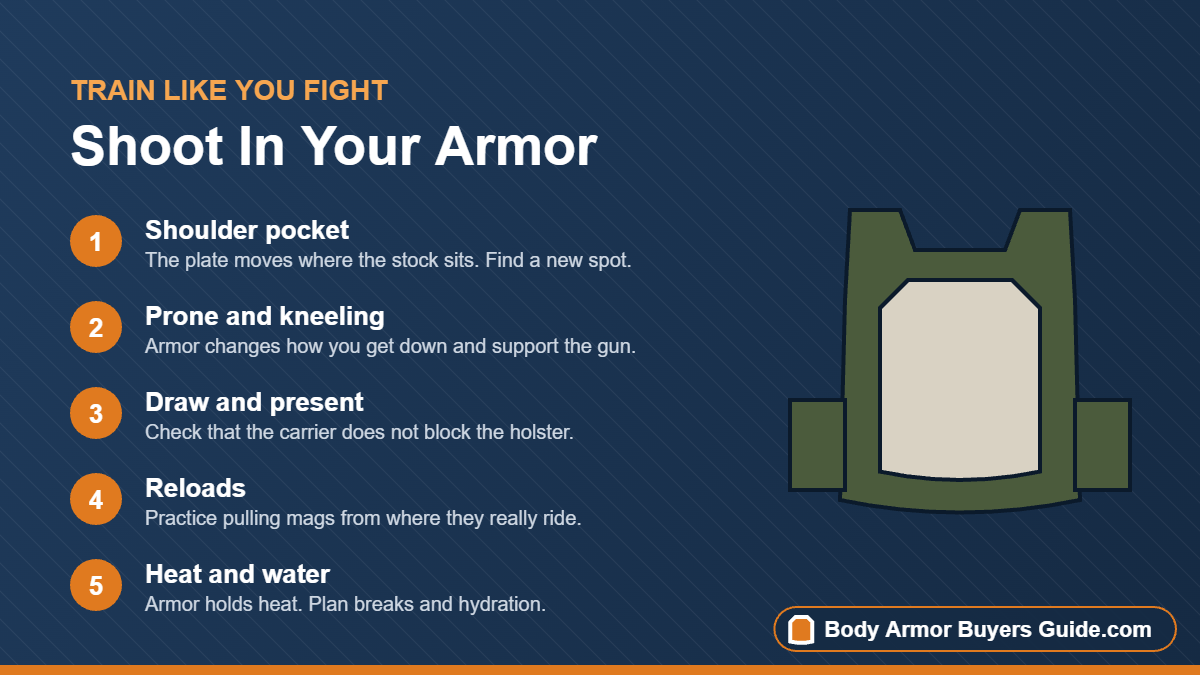
Armor changes how you shoulder a rifle, get into prone and draw a pistol. The only way to find out is to shoot in it. Our articles and videos cover what to practice so your gear works with you, not against you.